
• Skip to primary navigation
  • Skip to main content
  • Skip to primary sidebar
Source Digit

Source Digit

Linux, Ubuntu Tutorials & News, Technology, Gadgets & Gizmos

  • Home
  • How To
  • Ubuntu
  • Instagram
  • Blogging
  • Android
  • WordPress
  • +More
    • Cloud Computing
    • Gadgets
    • Social Media
    • Technology
  • Write for Us
Home / How To / How to Install WinUSB in Ubuntu 14.10, Ubuntu 14.04 & Linux Mint 17

How to Install WinUSB in Ubuntu 14.10, Ubuntu 14.04 & Linux Mint 17

By Sourabh / January 7, 2015 Category: How To, Ubuntu

Install WinUSB in Ubuntu 14.10, Ubuntu 14.04 and Linux Mint 17. WinUSB is an useful tool to create USB stick Windows installer from the Windows ISO image or DVD. The WinUSB tool has both GUI and command line interface.

Install WinUSB in Ubuntu 14.04 and Ubuntu 14.10
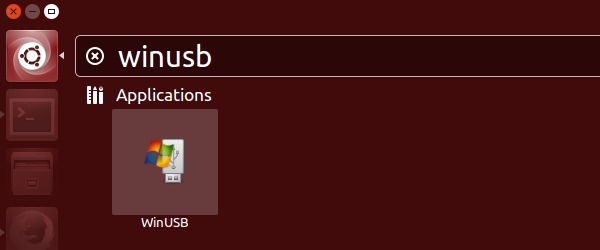

Winusb-Ubuntu-img
Let us learn how to install WinUSB in Ubuntu 14.04, Ubuntu 14.10 and Linux Mint 17 Systems. Based on the Ubuntu and Linux Mint System, 32 bit or 64 bit, run the command below in Terminal:

For 32 Bit System


wget https://launchpad.net/~colingille/+archive/freshlight/+files/winusb_1.0.11+saucy1_i386.deb
sudo dpkg -i winusb*

For 64 Bit System


wget https://launchpad.net/~colingille/+archive/freshlight/+files/winusb_1.0.11+saucy1_amd64.deb
sudo dpkg -i winusb*

If you see an error message, run the following command to fix the dependency errors:

sudo apt-get -f install

Once installed, open the WinUSB program from the Unity Dash.


Tags: Create USB stick Windows installer from the Windows ISO, Create Windows Startup USB Disks On Ubuntu, How to Install WinUSB in Linux Mint, How to Install WinUSB in Ubuntu 14.04, How to Install WinUSB in Ubuntu 14.10, Install WinUSB in Linux Ubuntu, Ubuntu 14.04, Ubuntu 14.10

Primary Sidebar

Latest Posts

Delete Directory And Contents Recursively Without Prompt On Linux

Check User Login History In Ubuntu Linux Command Line

Use Locate Command To Find File In Linux Terminal By Name

How To Change Terminal Color In Ubuntu Command Line

How To Run Fsck Manually In Linux To Fix Unexpected Inconsistency

How To Fix Broken Packages On Ubuntu From Terminal

Re Execute The Previous Command In Linux Ubuntu Command Line

How Much RAM Is Needed For Ubuntu PC

How To Find Large Files And Directories In Linux Command Line

How To Use Clear Command History In Linux Terminal

© 2026 Source Digit • Linux, Ubuntu Tutorials & News, Technology, Gadgets & Gizmos

  • Home
  • About
  • Privacy Policy
  • Terms & Conditions
  • Contact Us
  • Sitemap